Concrete looks simple: mix, pour, finish. The difference between a passable slab and a surface that holds up to Tampa heat, sun, rain, and heavy use for decades is all in the details. If you live in Tampa or manage property here, you already know the stakes. Salt air, frequent thunderstorms, shifting subsoils and strict county codes change ordinary concrete work into a project that benefits from experience. This piece walks through the real trade-offs between DIY and hiring pros for concrete work, with practical numbers, common pitfalls, and clear guidance so you can make a confident choice.
Why the choice matters A poorly placed driveway or an inadequately reinforced patio becomes an ongoing cost, not a weekend project. I’ve seen homeowners who saved on installation and paid three times more in repairs, regrading, and drainage fixes over eight years. Conversely, a well-executed slab increases usable outdoor living space, reduces maintenance, and often recoups a meaningful portion of cost at resale. In Tampa, where outdoor living is part of the lifestyle, the decision to DIY or hire affects aesthetics, function, and long-term value.
When DIY makes sense DIY is tempting for small, low-risk tasks where mistakes are reversible and no permits are required. Suitable DIY scenarios in Tampa include narrow walkways under 50 square feet, minor patching on level surfaces, and small decorative projects like planter rings or raised garden bed bases. If you have prior experience mixing and finishing concrete, basic power tools, and a helper or two to handle the physical tasks, you can keep costs down and enjoy the satisfaction of doing it yourself.
A realistic example: installing a 36-square-foot garden pad. Materials might run $80 to $150 depending on thickness and mix. Rent a small mixer for a day for $60. Expect six to eight hours of hard labor, a simple gravel base, and basic screeding and finishing. If you have basic carpentry skills and can follow published mixing and finishing techniques, that is a reasonable weekend job.
When professional concrete services are the right call Large slabs, structures that carry vehicles, projects requiring permits, stamped or colored finishes, pool decks, and anywhere drainage or soil stability is a concern are best left to licensed contractors. In Tampa, heavier clay soils and occasional sinkage mean subgrade work and proper reinforcement matter a lot. A professional brings experience diagnosing soil conditions, installing proper base material, selecting the right concrete mix, and executing joints and curing strategies that prevent cracking.
Concrete Services in Tampa FL businesses frequently handle projects where precision matters: driveways that slope correctly to avoid pooling, patios tied into existing slabs, and ADA-compliant ramps. These tasks require equipment, crew coordination, and quality control that most homeowners do not have. The difference shows within months in fewer cracks, less settling, and cleaner finishes.
Cost comparison with context Price is the most common deciding factor, and it needs context. For a simple 20 x 20 foot slab, DIY might cost $600 to $1,200 in materials and rentals, assuming you supply labor. Hiring a reputable local contractor for the same slab typically runs $2,000 to $4,000 depending on finish and reinforcement. The contractor price includes labor, slab prep, reinforcement, finishing, and often limited warranty. The math above ignores hidden costs: permit fees, disposal of old concrete if demo is needed, additional subgrade work, and potential rework if the DIY job fails.
Think probabilistically. If a professionally installed slab reduces the probability of significant failure in the next 10 years from 30 percent to 5 percent, and repair would cost $3,000, the expected savings justify higher upfront spend for many owners. If you’re comfortable accepting higher risk and the project is truly minor, DIY could be fine.
Permits, inspections, and code compliance Tampa and Hillsborough County have specific permit and inspection requirements for work that alters drainage, exceeds certain square footage, or affects structures. Driveways, significant patios, and any work tied to plumbing or structural elements typically require a permit. When you hire a licensed contractor, they handle permits and inspections—one less headache. When you DIY, you must research local code, pull the permit, and schedule inspections. Failure to pull a required permit can complicate resale or insurance claims later.
Permits also cover engineered specifications in some cases. A driveway that serves multiple vehicles may require allphaseconcretefl.com Concrete contractor in Tampa FL reinforcement and specific thickness or rebar placement. Pros submit engineered plans and stand behind the work, which matters if a later issue triggers liability questions.
Common technical details that change outcomes Several technical elements determine whether a slab performs well over time. They are easy to overlook:
- Subgrade preparation: In Tampa, removing organic topsoil and replacing with compacted crushed rock or sand reduces long-term settlement. Thin over-excavation and poor compaction are common causes of failure. Control joints and saw cuts: Properly placed joints control where cracks occur. Too few or poorly timed cuts lead to random cracking. Reinforcement: Wire mesh versus rebar depends on expected loads. Rebar holds heavier loads and limits crack width. Mesh is used for lighter, residential slabs. Concrete mix: Slump, cement content, and admixtures matter. In coastal Tampa, air entrainment helps freeze-thaw cycles if used inland, though freeze-thaw is rare here; corrosion mitigation matters near salt air. Proper water-cement ratio matters more than most homeowners realize. Curing: Proper curing keeps the concrete from drying too fast in hot Florida sun. Simple methods like ponding or curing compounds cost little but make a big difference in strength and surface quality.
Anecdote: the failed stamped patio A contractor once poured a stamped patio for a client without addressing a soft spot in the yard. The patio looked perfect for three months; then the corner sunken by nearly two inches because the subgrade was organic debris that decomposed. The contractor repaired the spot at their cost, but the fix involved tearing out a corner and replacing underlayment, which added weeks to the calendar. That example shows why pre-pour inspection and correct subgrade work matter more than the finishing technique.
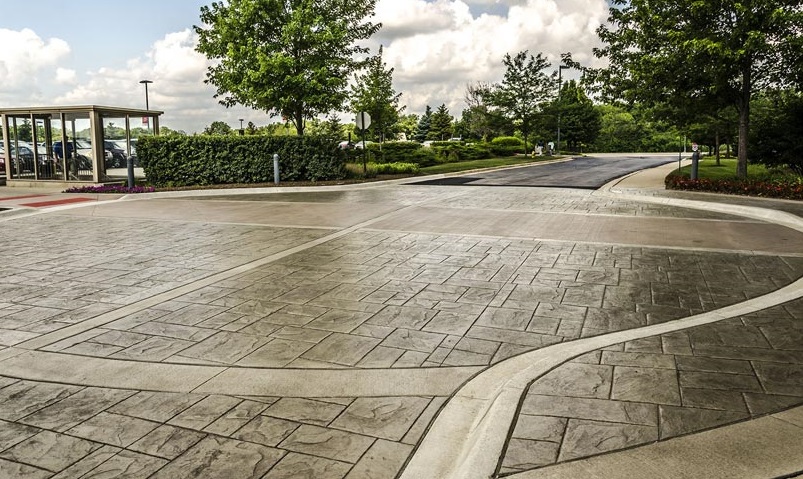
Finishes: plain, stamped, colored, or acid stained Finish choice affects both upfront cost and long-term maintenance. Plain broom-finished concrete is the most durable and least expensive. Stamped concrete and integral color add visual appeal but increase labor, curing complexity, and risk of visible imperfections if not executed precisely. Acid stains produce variegated colors that can be hard to repair seamlessly.
If you want stamped or colored concrete, hire a specialist. The margin for error is small: inconsistent color batches, overworked or under-cured surfaces, and poor joint layout show immediately on decorative finishes. Professionals source pigments and control timing to deliver consistent results across large areas.
Risk management and warranties Licensed contractors carry commercial insurance and often offer limited warranties on workmanship. That matters if a subcontractor damages property or if a structural failure occurs. DIYers rely on personal homeowner insurance, which may not cover construction defects, and on their own time and money to fix mistakes.
Before hiring, ask potential contractors for proof of insurance, local references, and examples of similar projects. A reputable Concrete Services in Tampa FL company will provide photos, references, and a clear scope of work. If a contractor pushes for cash-only deals or refuses a written contract, treat that as a red flag.
Selecting a contractor: what to ask When interviewing contractors, dig beyond a single number. Ask about subgrade preparation, concrete mix design, reinforcement plan, joint layout, curing methods, and anticipated timelines. Request a written estimate that itemizes demolition, base material, reinforcement, finishing, cleanup, and warranty. If they subcontract decorative finishing, ask to see those subcontractors’ portfolios.
Practical checklist before choosing DIY or pro
- Scope and complexity, including whether the slab will bear vehicles or heavy equipment. Local code and permit requirements for the work you plan. Your available time, physical ability, tools, and a realistic assessment of finishing skills. Long-term cost expectations, including likely maintenance or repair costs. The visual standard you expect: decorative finishes usually require pros.
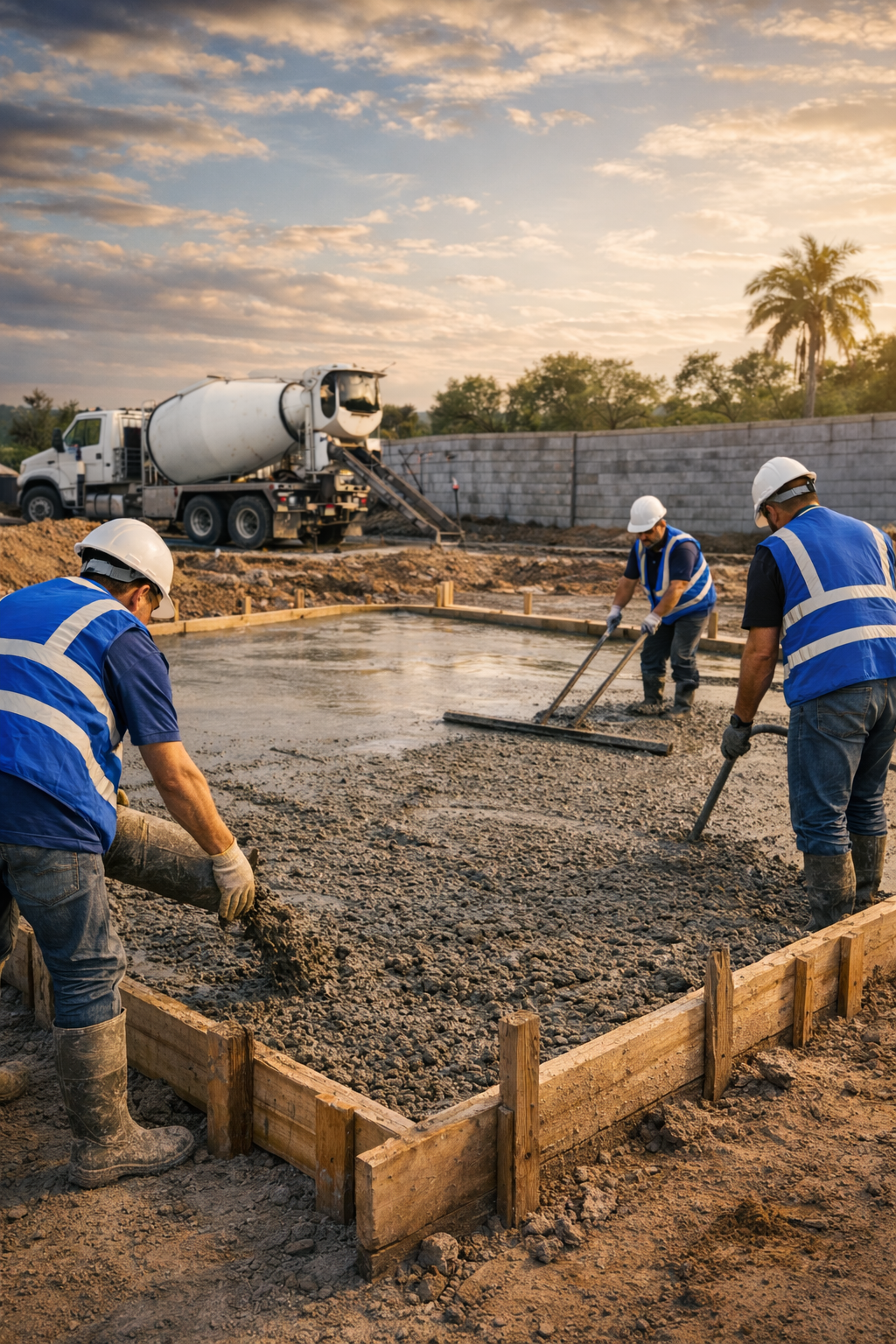
Timing, staging, and weather considerations Tampa’s climate compresses the working window. Summer heat speeds evaporation, which can ruin finishing if curing isn’t immediate. Afternoon storms create scheduling risk. Pros understand staging: they pour early, keep surfaces shaded, apply curing compounds, and manage workforce so finishing happens within the concrete’s workable window. For DIYers, plan for a cool morning, calm forecast, and at least one helper for finishing and carrying loads.
Tool and equipment realities Real work uses Concrete Services Tampa FL All Phase concrete mixers, rakes, bull floats, edgers, saws, and sometimes small skid steers or compaction plates. Renting a mixer and compactor for a weekend is straightforward. Renting a concrete saw for proper joint cutting may be more than most homeowners plan for. Professionals bring trowels and power floats that produce smoother finishes for larger areas. If you decide to DIY, rent equipment that matches the project scale and practice on a small patch first.
Liability and safety Concrete work is physical and hazardous. Burns from fresh concrete, back injuries from carrying heavy loads, and trips from uneven forms are real risks. Contractors carry workers compensation and are trained to manage safety. If you choose DIY, use protective clothing, gloves, eye protection, and follow lift ergonomics. Consider hiring a subcontractor for the heavy lifting portions even if you do finishing yourself.
When to call a locally trusted firm If you want predictability, compliance with local regulations, and a finish that adds long-term value, hire a proven local contractor. In Tampa, the market includes companies that specialize in reinforced driveways, pool decks, and stamped patios. Mentioning local names offers a starting point: All Phase concrete has a local presence and can handle larger residential and commercial jobs that require coordination, permits, and engineered plans. Asking for specific references and time-stamped project photos will tell you more about their on-the-ground performance than a glossy website.
Negotiating and contracts Get at least three written estimates for any project over a few hundred dollars and compare scope, not just price. Contracts should define start and completion dates, payment schedule, material specifications, and warranty terms. Avoid large upfront cash payments. A common arrangement is 10 to 30 percent deposit, with the balance held until completion and final inspection. Keep copies of permits and any change orders. When in doubt, ask for clarification on what is not included.
Maintenance after installation Maintenance is straightforward but important. Clean spills promptly, reseal decorative surfaces every two to three years if recommended by the installer, and keep an eye on joints. Small hairline cracks that do not affect drainage can be cosmetic; wider cracks or settling require professional evaluation. Proper drainage away from slabs prevents undermining and is often the single most effective maintenance measure.
Making the decision If your project is structural, large, decorative, subject to local codes, or on uncertain soil, hiring professionals provides insurance, predictability, and likely lower lifetime cost. If the task is small, reversible, and you have the necessary skills and time, DIY saves labor but expect to invest in learning and potential rework.
Final thought Concrete is foundational in both literal and financial senses. In Tampa, where the environment challenges materials regularly, investing in experienced craftsmanship pays. Approach DIY with humility and have a clear plan for contingencies. If you prefer certainty, permits handled, and a warranty, let a reputable local firm do the work. Concrete Services in Tampa FL companies are accustomed to these trade-offs and can match solutions to budgets and site realities. When you need a contractor who understands local conditions and can deliver durable, attractive results, All Phase concrete is one of the local options to consider. Make your choice based on scope, risk tolerance, and the value you place on durable work that lasts.